Thursday, September 11, 2008

Shot Sequence Breakdown & Storyboards

Metroid: the motion picture

The Scene:
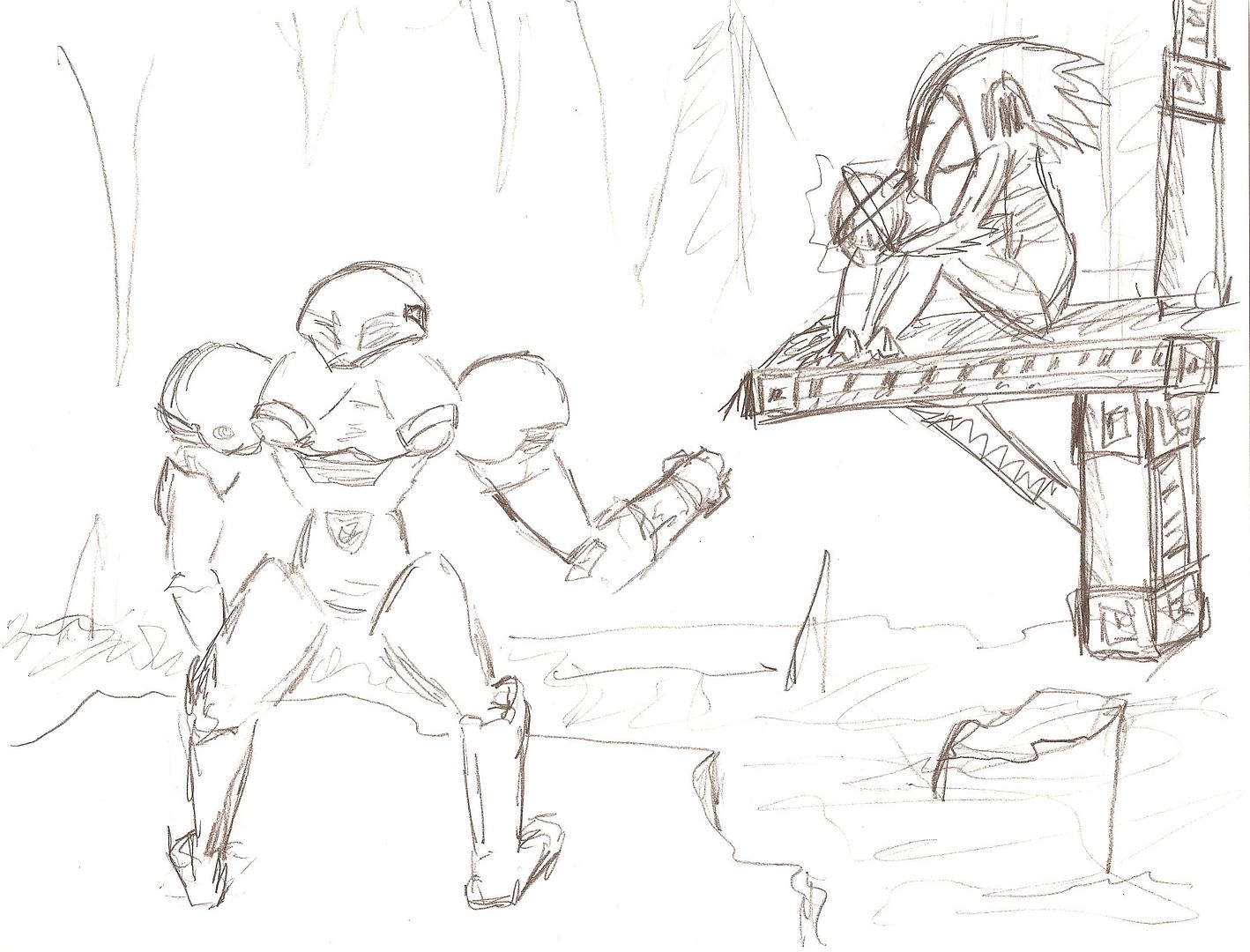
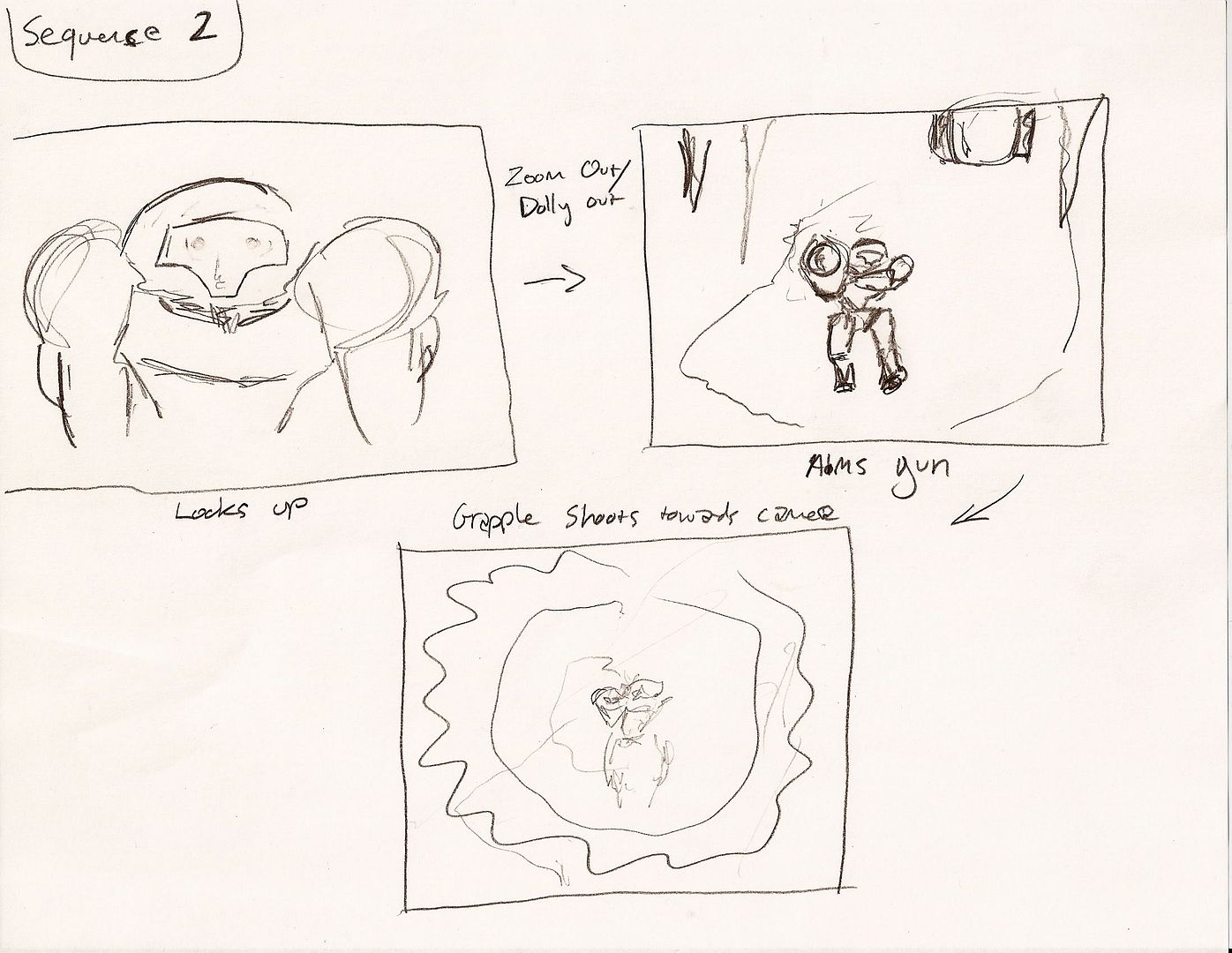
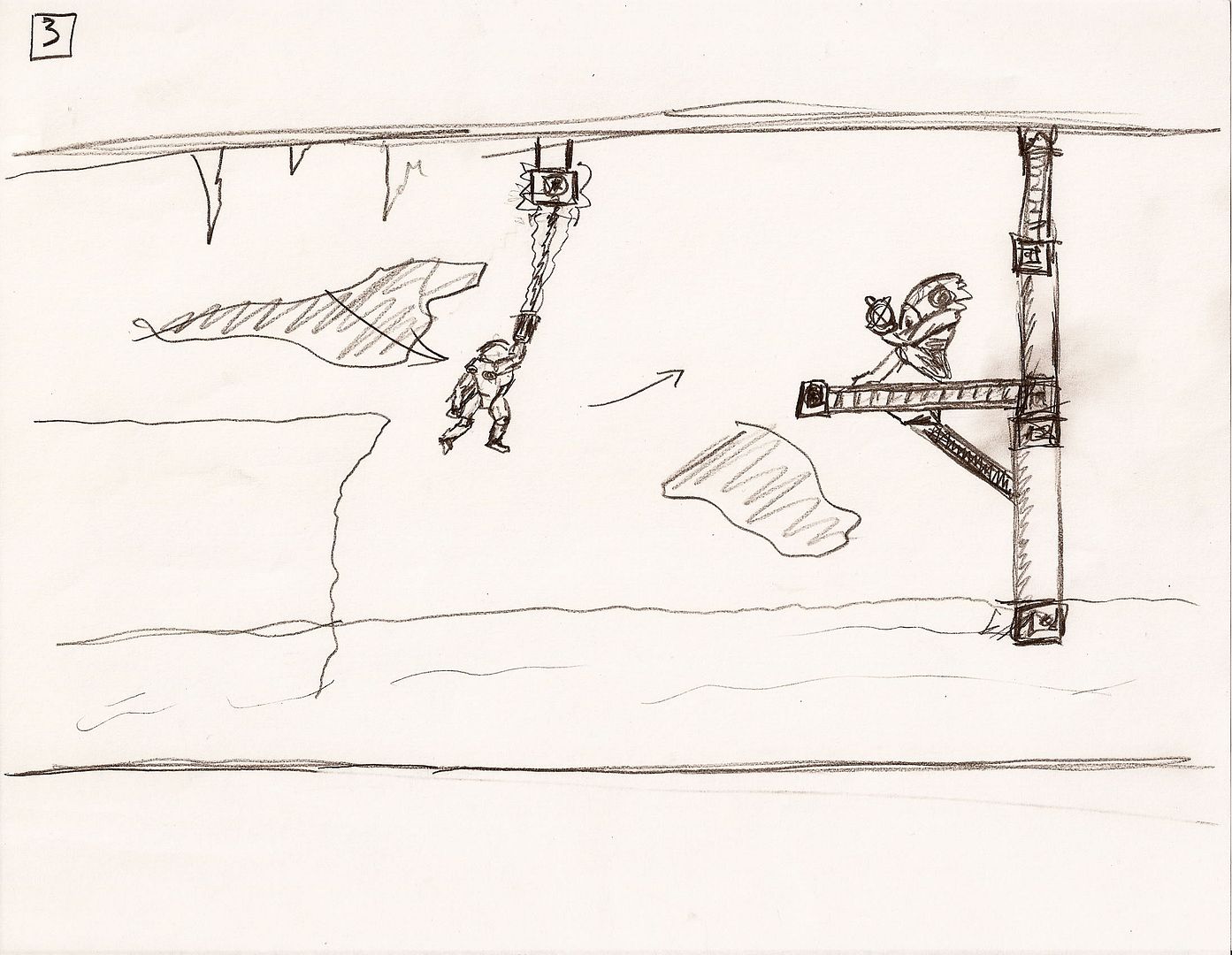
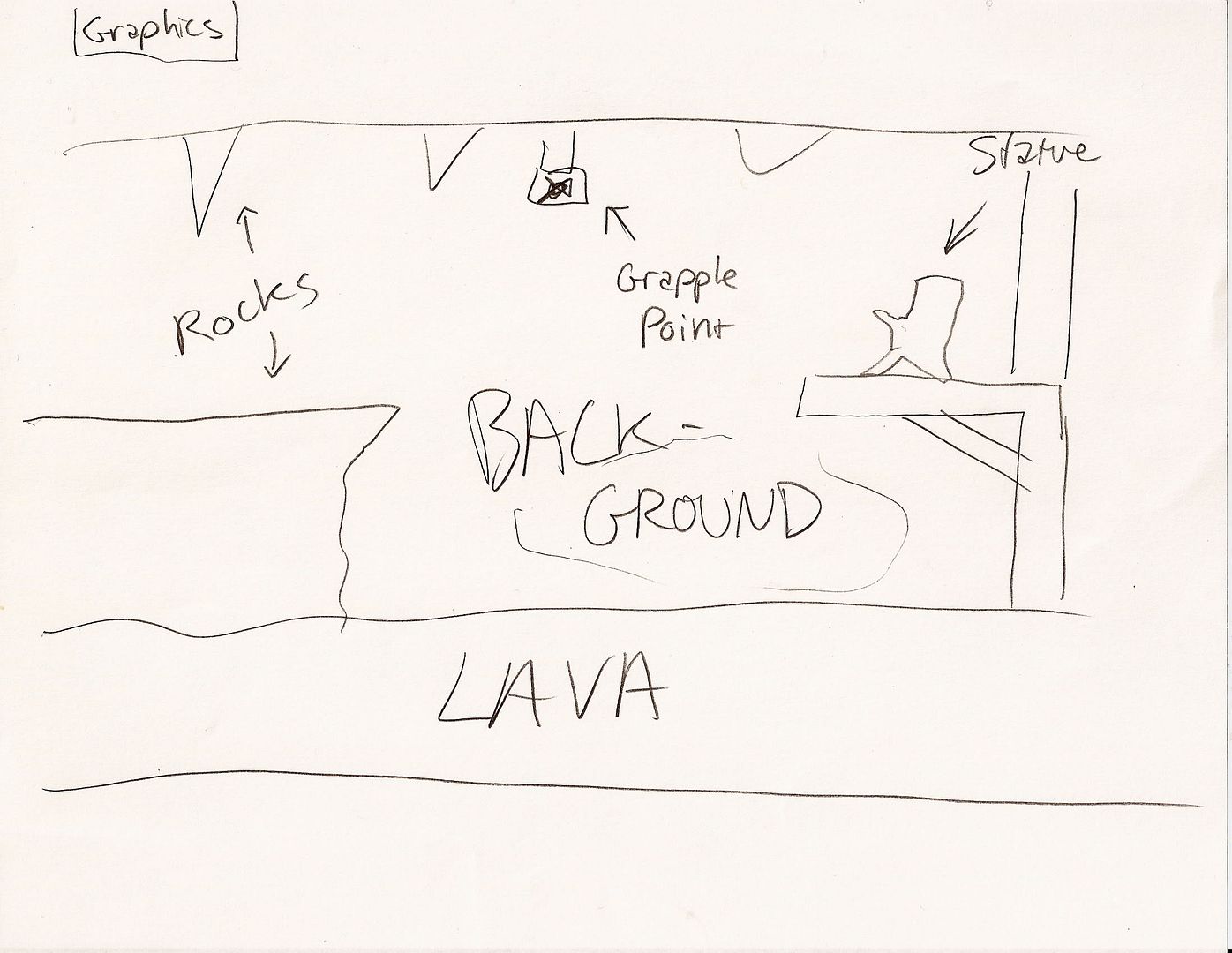
Our heroine bounty hunter Samus Aran has landed on the planet Zebes in search of the mysterious Metroid life-form.  Whilst exploring this world's cavernous depths, she discovers an important weapons upgrade sitting in the hands of a statue modeled after the race that designed her very own power suit.  Unfortunately, it lies across a vast sea of lava, but she shoots her powerful grapple beam to a metal plate on the ceiling and swings across the burning hot lake!
Credit: Nintendo

Storyboards:

Shot 1 - Plates
Shot 2 - Plates
Shot 3 - Plates
Breakdown:

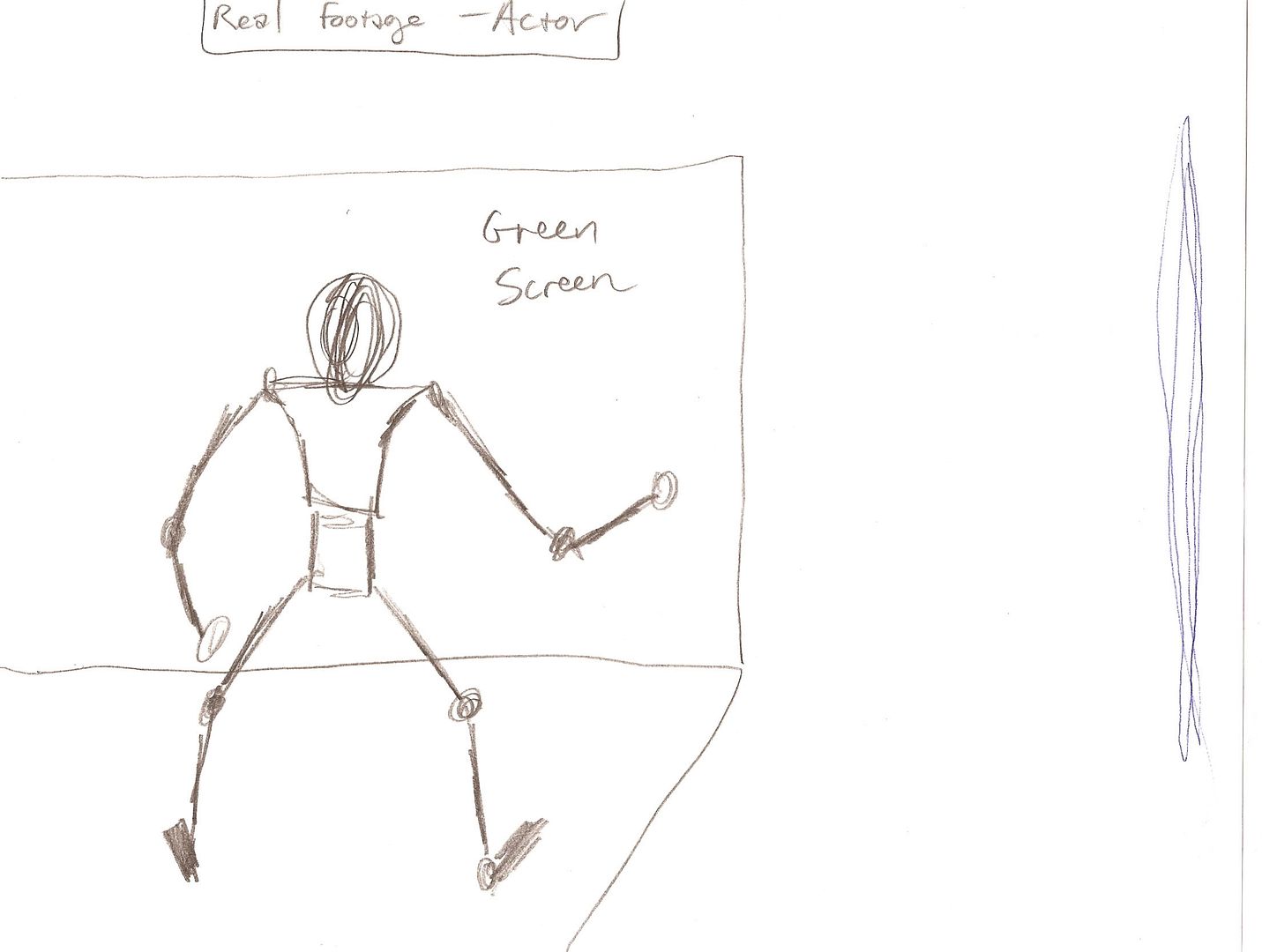
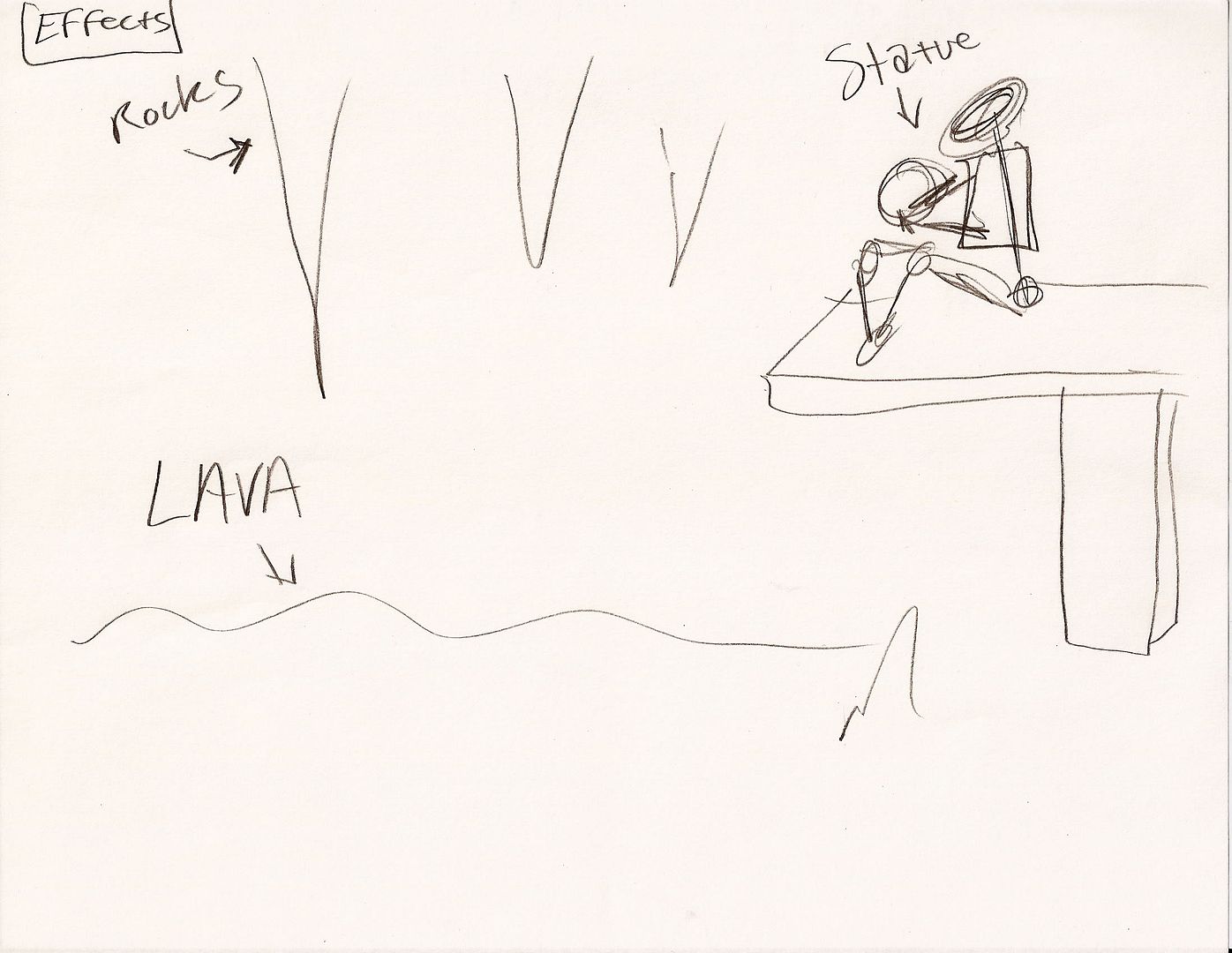
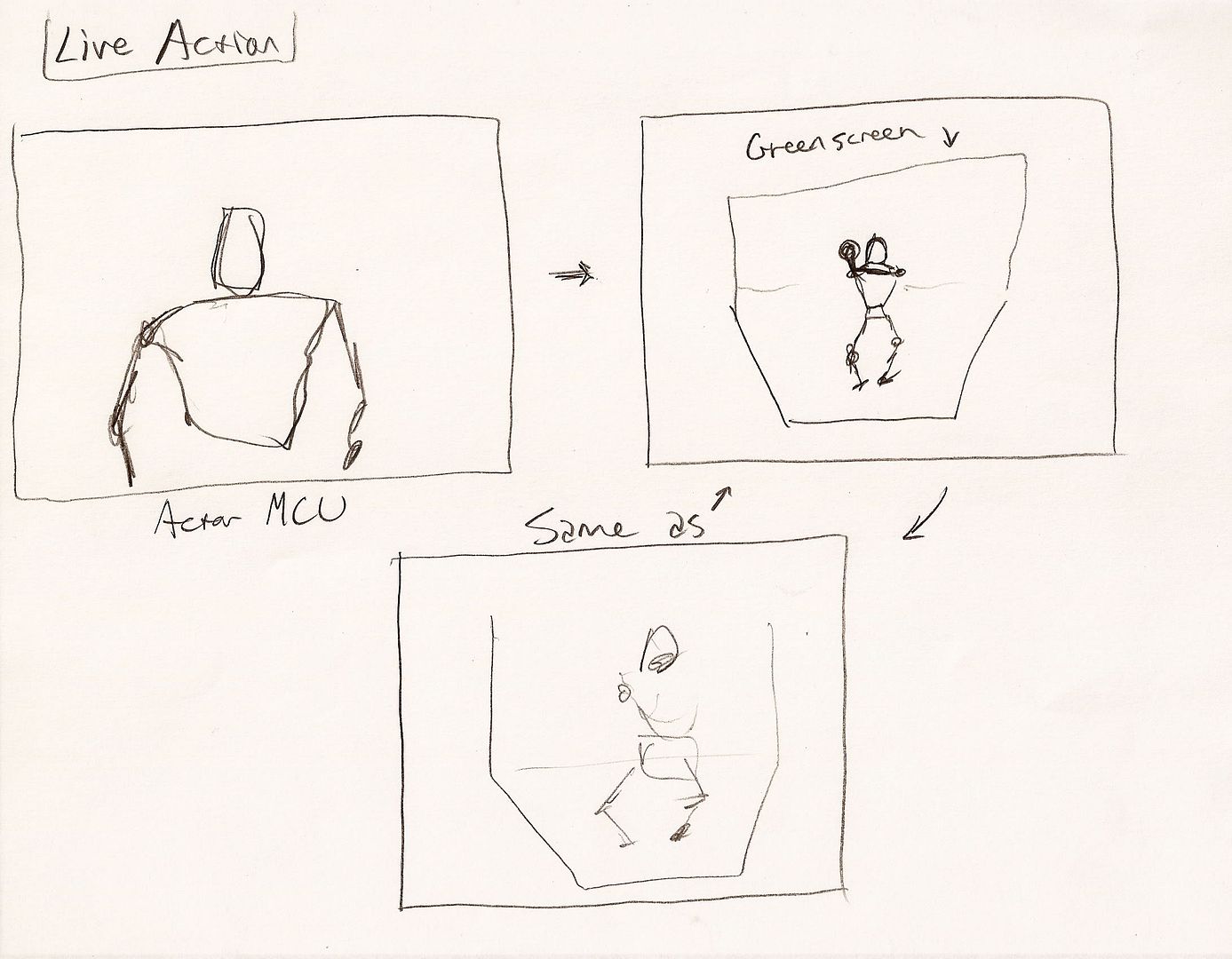
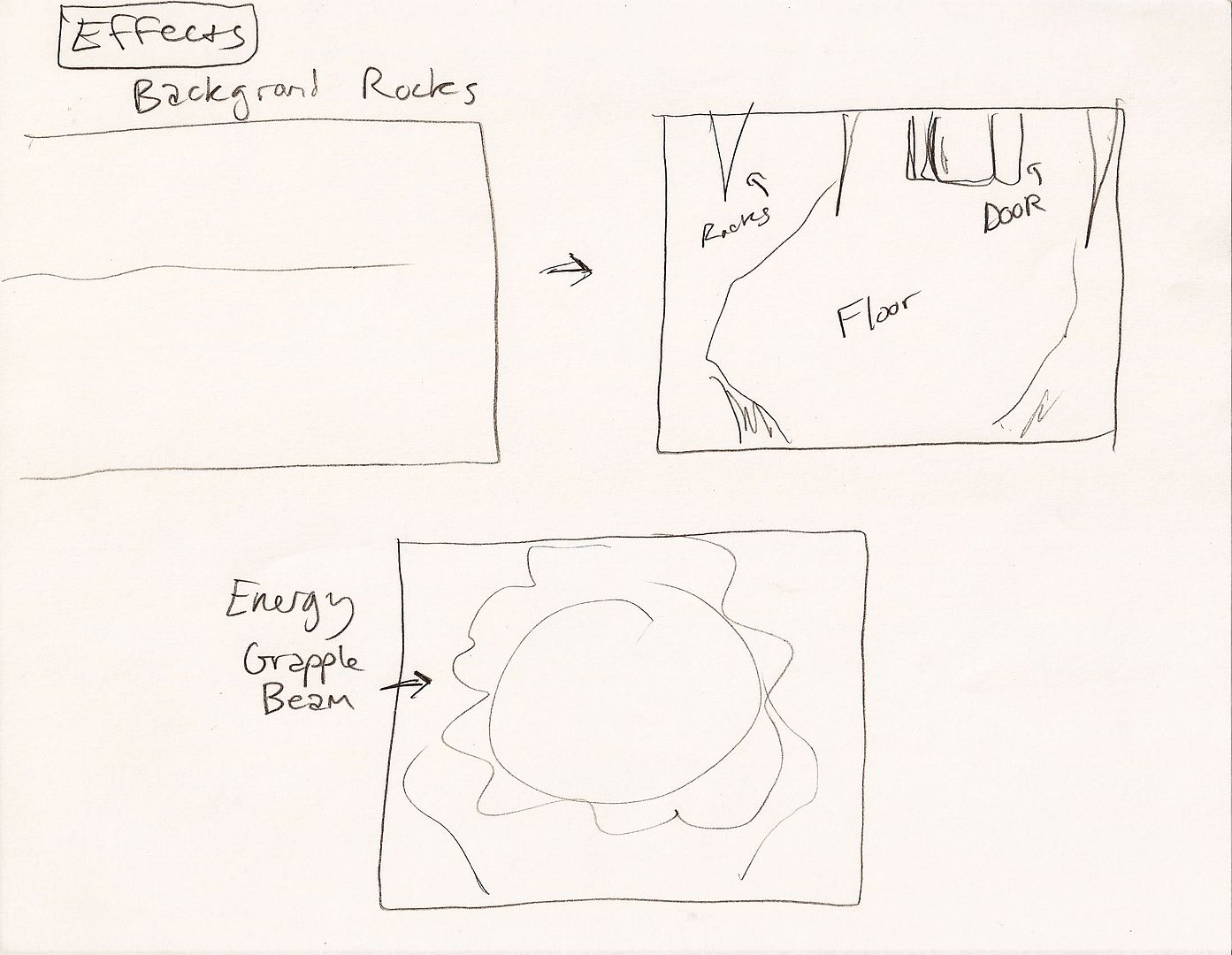
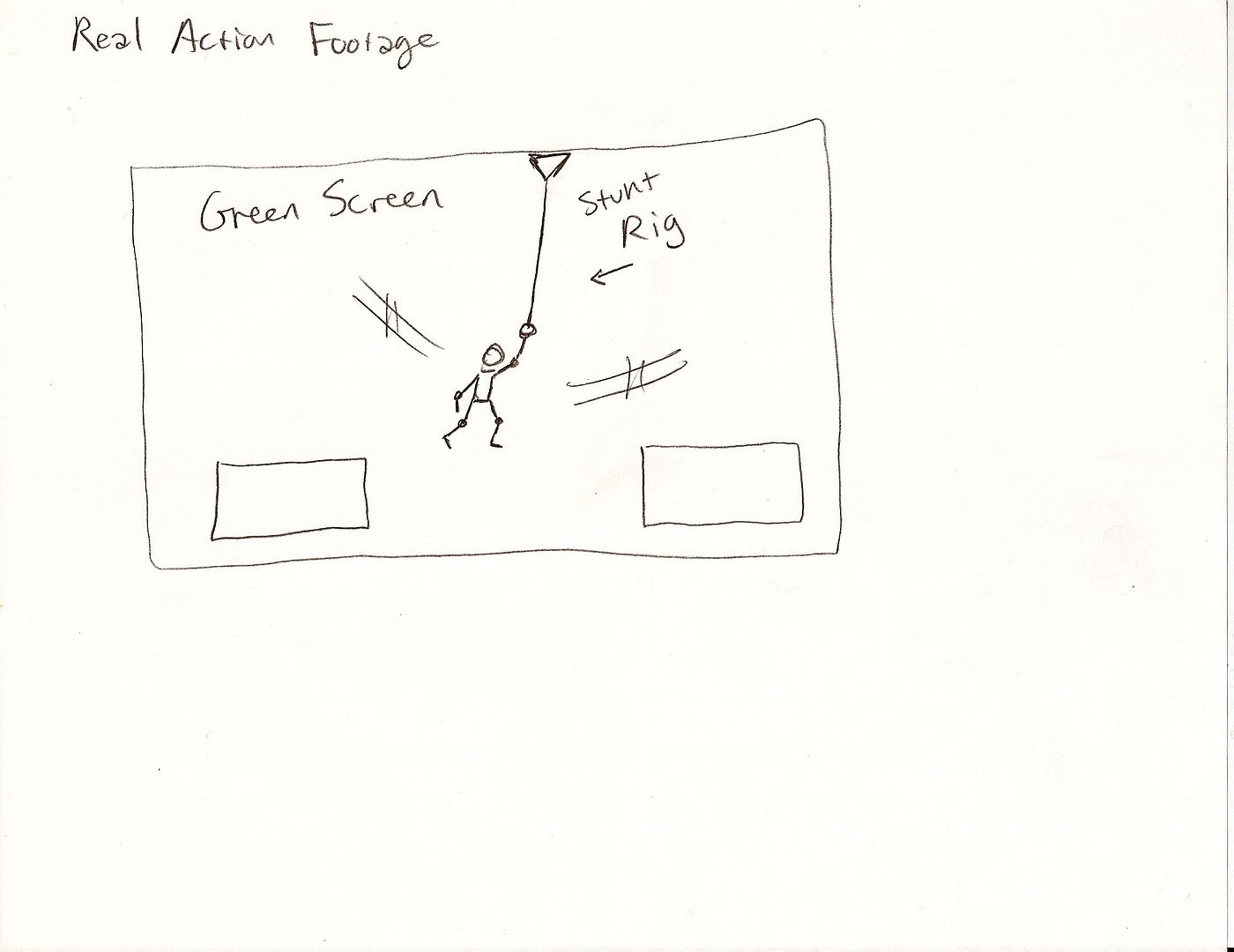
All of the shots involving live action with the actor playing Samus would be shot in front of a green screen, with the appropriate rigs and maneuvers needed to get the action desired.  There would be some sets built for the main parts of the cave such as the floor, stalactites and stalagmites, statue, etc.  The backgrounds, grapple beam, lava, etc. would need to be digitally rendered as well as any other elements not able to be done in real life.

Tuesday, September 2, 2008

The Fountain ~ Digital Effects

In this film by Darren Aronovsky, beautiful surreal scenes of an alternate world and a mayan jungle detail the non CG parts of the film with magic and wonder.  A company from Toronto called Intelligent Creatures took on the task of forming the "tree eden" bubble world as well as the forest and  other such effects of the movie.  Using a green screen laden background, they constructed a physical tree with other natural roots, etc. and filmed the shots in a rather basic and plain sort of way.  Later on, they composited in-numerous layers of effects on the background and characters to almost completely remodel the origional footage.  Overall there was a total of 234 shots created.
source~ http://features.cgsociety.org/story_custom.php?story_id=3866

Jurrrasssic Park ~ interesting things....

Well, lets see...

1. I enjoyed seeing all the different steps involved with making a complete render for such a small scene in a movie, although it was kind of intimidating, the amount of work ahead..

2. It was cool to see what they did to make the CG elements interact with the real world.  It looked like a lot of timing and planning was involved on each shot to get it perfect.  I'm sure other references for the lighting, etc. were used.

3. The way the actors have to pretend to see whatever will be put into the shot was also intriguing, and seems to take a lot of imagination combined with raw talent.

end.